Learning Outcomes:
i. Define the concept of a gene and its role in heredity.
ii. Explain the meaning of gene locus and its significance in chromosome organization.
iii. Distinguish between alleles and their relationship to gene loci.
iv. Appreciate the connection between genes, gene loci, and the traits we inherit.
Introduction:
Imagine a vast library, housing instructions for building and operating every aspect of life. Each instruction, carefully written and stored, is called a gene. These tiny blueprints, encoded within our chromosomes, hold the secrets of our inherited traits, from eye color to hair texture and beyond. In this lesson, we embark on a journey to understand the fundamental units of heredity – genes and their precise location within chromosomes called gene loci.
i. The Building Blocks of Inheritance: What is a Gene?
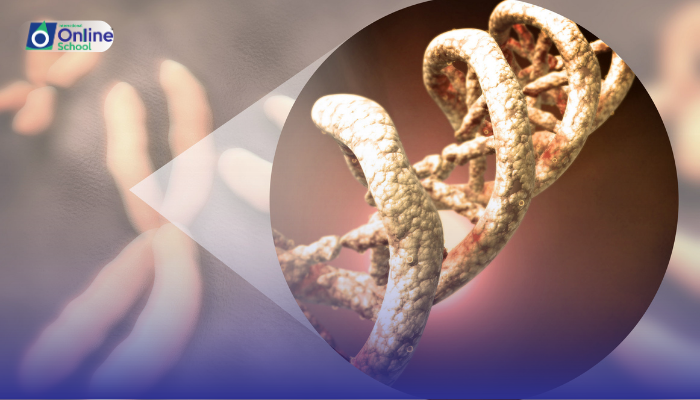
Think of a gene as a specific segment of DNA that contains the instructions for making a particular protein. These proteins are the workhorses of our cells, responsible for countless functions essential for life. Genes vary in size and complexity, some encoding simple proteins while others orchestrate intricate biochemical pathways. Understanding how genes code for proteins is the key to unlocking the mysteries of heredity.
ii. Finding the Address: The Concept of Gene Locus
Imagine a street address guiding you to a specific house within a city. Similarly, a gene locus is the precise location of a gene on a chromosome. It's like the address on our genetic map, pinpointing where to find a particular instruction manual for building a protein. Gene loci are numbered or named based on their position on the chromosome, allowing scientists to track their inheritance and study their functions.
iii. Variety Within the Blueprint: Alleles and Gene Loci
Just like houses on the same street can have different colors or layouts, genes can also exist in different versions called alleles. These alleles arise from mutations in the DNA sequence of a gene and can influence the protein it codes for, leading to variations in our inherited traits. For example, the gene for eye color has different alleles for brown, blue, and green eyes, each residing at the same gene locus on chromosome 15.
iv. From Blueprint to Expression: Connecting Genes, Loci, and Traits
The relationship between genes, gene loci, and traits is intricate. Understanding this link is crucial in various fields, from predicting disease risk to developing personalized medicine. For example, mutations in the gene for cystic fibrosis at its specific locus on chromosome 7 can lead to the development of this debilitating lung disease. By studying gene loci and their associated variations, scientists can gain insights into the complex interplay between genes and the environment, ultimately shaping our unique characteristics and vulnerabilities.
Genes and gene loci are the cornerstones of heredity, forming the foundation of our genetic blueprint. Understanding these fundamental units of life empowers us to delve deeper into the mysteries of inheritance, predict disease risk, and potentially tailor healthcare to individual needs. As we continue to explore the intricacies of our genetic code, we gain a deeper appreciation for the incredible diversity and resilience that define life on Earth, all thanks to the fascinating interplay of genes and their precise locations within the grand symphony of our chromosomes.
